Kentish Town Road removals for narrow streets and access
Posted on 29/04/2026
Kentish Town Road Removals for Narrow Streets and Access: A Practical Local Guide
Kentish Town Road removals for narrow streets and access can feel like a puzzle before you've even packed the first box. One minute you're measuring a sofa, the next you're wondering where a van can legally stop, whether the stairs are too tight, and how on earth a mattress is supposed to turn that corner. If that sounds familiar, you're in the right place.
This guide breaks down the real-world issues that matter on and around Kentish Town Road: limited kerb space, busy traffic, tighter side roads, flat access, awkward loading points, and the small decisions that make a big difference on moving day. You'll find a clear step-by-step process, practical tips, and the kind of local knowledge that saves time, stress, and a few bruised knuckles. To be fair, removals in this part of London reward good planning more than brute force.
Whether you're moving from a first-floor flat, a family house, or a mixed-use building near the main road, the aim is the same: get everything out safely, with as little disruption as possible. If you'd like a broader look at moving options in the area, you can also explore our Kentish Town removal services and our local removals in Kentish Town overview.
Why Kentish Town Road removals for narrow streets and access Matters
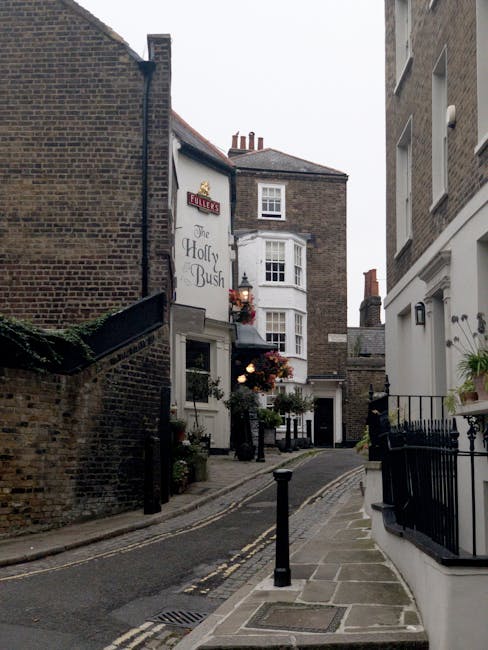
Kentish Town Road is busy, characterful, and often not very forgiving when a lorry turns up without a plan. The issue is rarely just the road itself. It's the combination of parked cars, delivery traffic, tighter junctions, shared entrances, basement flats, upper floors, and the occasional doorway that looks wider from the outside than it really is. That mix changes the way a removal has to be done.
In practical terms, access affects everything: how close a vehicle can park, how many people are needed, how long loading takes, and whether items can be moved in one straight run or need careful manoeuvring. A standard move that might be straightforward in a suburban street can become a far more involved job here. And if access is underestimated, delays creep in quickly.
There's also a safety angle. Narrow streets leave less room for error, and one badly judged parking position can create problems for neighbours, pedestrians, cyclists, and the moving team. In a place where people are already weaving around buses, cars, and shoppers, moving day needs to feel controlled rather than improvised.
If you're still deciding between different moving styles, it may help to compare man and van help in Kentish Town with a fuller service package such as house removals in Kentish Town. The right choice often depends on access, volume, and how much heavy lifting is involved.
How Kentish Town Road removals for narrow streets and access Works
A good removal for a tight London street starts before moving day, not on it. The process usually begins with an access check: where the vehicle can stop, how far it may need to carry items, whether there's a lift, whether the stairwell bends sharply, and whether any large furniture needs to be dismantled in advance.
From there, the plan is built around the route rather than just the load. That means thinking about the best time to arrive, whether a smaller vehicle is more suitable than a large van, and whether a second trip might actually be faster and safer than forcing everything into one go. A smart plan is rarely the flashiest one.
For many homes and flats on or near Kentish Town Road, access work may include:
- checking the nearest legal stopping point
- measuring internal doorways, stairwells, and landings
- preparing larger items for dismantling
- protecting walls, bannisters, and flooring
- using trolleys, straps, blankets, and covers where needed
- choosing a vehicle that suits the road layout, not just the volume of goods
In some cases, a combination approach works best. For example, a removal van in Kentish Town may be the main vehicle, while a smaller shuttle load handles the trickier parts of access. That can be especially useful if the road is busy or parking is tight at certain times of day.
Truth be told, the smoothest removals in narrow streets often look almost boring from the outside. They seem calm because the planning happened early.
Key Benefits and Practical Advantages
There's a real difference between a move that merely happens and a move that happens well. Access-aware removals bring several advantages, especially in built-up areas like Kentish Town.
1. Less risk of damage. Tight corners, uneven pavement, and narrow staircases can all lead to scuffs and knocks. Careful planning reduces those risks before anyone lifts a box.
2. Faster loading and unloading. If the vehicle is positioned properly and the route is clear, the whole job runs more smoothly. That saves time, and usually a bit of money too.
3. Better protection for neighbours and the public. A well-managed move avoids blocking entrances, bin access, or foot traffic. Nobody wants to become the reason somebody else misses the bus.
4. Less physical strain. Carrying heavy items the long way round a narrow street is exhausting. Proper access planning cuts down on unnecessary lifting and awkward turns.
5. More predictable costs. Once access is understood, quotes tend to be more realistic. That means fewer surprises on the day.
If you're moving a valuable item, such as a piano or large cabinet, access planning matters even more. A specialised option like piano removals in Kentish Town can be the safer route when stairs, turns, or limited parking are part of the picture. The same goes for fragile or bulky pieces handled through furniture removals in Kentish Town.
Expert summary: in narrow-street removals, access is not a side issue. It is the job. If the vehicle, timing, and route are right, the rest becomes much easier.
Who This Is For and When It Makes Sense
This kind of moving support is for anyone whose property access is tighter than average. That includes top-floor flats, basement homes, maisonettes, period terraces, converted buildings, and office premises where the loading point is not right outside the door.
It also makes sense if you have more than a few large items, or if you're moving during a busy period when roadside space is limited. In Kentish Town, that might mean earlier in the morning, during school-run traffic, or on streets where parking is already at a premium. Access issues can turn up even on a relatively small move.
It's especially helpful for:
- flat moves with stair-only access
- family homes on narrow residential streets
- students moving between shared accommodation and rentals
- office relocations with limited loading space
- last-minute changes where the route or timing has shifted
- people storing items temporarily before a larger move
Students and renters often need a nimble setup, so student removals in Kentish Town and flat removals in Kentish Town can be especially relevant if your building has awkward access or no lift. Office moves can need a different rhythm altogether, which is where office removals in Kentish Town come into play.
And yes, if you're staring at a pile of boxes and thinking, "this is more than a quick van job," that instinct is probably right.
Step-by-Step Guidance
Here's a simple way to approach a narrow-street move without letting it take over your week.
- Map the access. Note the closest stopping point, the width of any entrance, stair count, lift size, and any sharp bends or low ceilings.
- Measure the awkward items. Sofas, wardrobes, beds, washing machines, and desks are the usual suspects. Measure them properly, not roughly.
- Decide what needs dismantling. A bed frame or table that is separated into parts is much easier to manage in a narrow stairwell.
- Choose the right vehicle size. Bigger is not always better if the road is tight. Sometimes a smaller vehicle or split-load approach is the smarter move.
- Plan the timing. Early starts often work better where traffic and kerb space are unpredictable.
- Protect both property and possessions. Covers, blankets, tape, and floor protection can save a great deal of trouble.
- Label everything clearly. Boxes marked by room and priority make unloading easier when the building access is restricted.
- Confirm the communication chain. Make sure everyone involved knows the access point, contact details, and any building rules.
A useful rule of thumb: if one item looks awkward on paper, it will probably feel twice as awkward halfway down the stairwell. Planning ahead is not overkill. It's common sense, really.
If you're not sure what level of support you need, a wider services overview can help you compare options before you commit. And if your schedule is tight, a same-day removal service in Kentish Town may be worth exploring, provided access is confirmed first.
Expert Tips for Better Results
Keep the loading route as short as possible. That sounds obvious, but it's where many moves go sideways. If the van cannot park directly outside, reduce the carry distance wherever you can legally and safely do so.
Use the right packing approach for the building. In narrow access situations, the way you pack matters almost as much as the way you load. Heavier boxes should be small and sturdy. Lighter but bulky items can go higher in the load. Our packing and boxes guide is useful if you want a more efficient setup.
Think in zones, not just rooms. If the access is awkward, you do not want people wandering around looking for where to put things. Label by room and priority, and keep essentials separate.
Check building rules early. Some blocks and managed properties have specific moving windows, lift booking processes, or protection requirements. The earlier you ask, the less likely you are to have a late surprise.
Don't overfill the van. A move in tight access often runs smoother with a slightly more flexible load plan. Less cramming. Less stress. Fewer "we'll just make it fit" moments, which are rarely heroic in real life.
Have a backup plan for weather. A bit of rain changes everything on a narrow pavement. Tarps, covers, and a sensible route in and out can stop wet boxes becoming soggy regrets by lunchtime.
If you're balancing budget and flexibility, it can help to compare providers carefully through removal companies in Kentish Town and look at how they handle access, not just price.
Common Mistakes to Avoid
Assuming the van can stop outside. That's the big one. In real-world London streets, "outside" might mean several doors away, around a bend, or not at all during certain times.
Measuring the property but not the route. People measure the sofa and the room, then forget the stair landing or the turn at the top of the stairs. That's where problems hide.
Leaving packing until the last minute. It's tempting. Everyone does it at least once. But rushed packing makes narrow-access moves slower, heavier, and more fragile.
Choosing a vehicle that is too large for the street. Bigger trucks can create more access trouble than they solve. A smaller, more manoeuvrable setup is often better in tight areas.
Skipping floor and wall protection. A single scrape can cause more hassle than the whole rest of the move. Small prevention steps matter.
Not telling the removals team about the tricky bits. If there is no lift, a narrow basement stair, or a front door that sticks in damp weather, say so. It helps everyone prepare properly.
Forgetting about disposal or storage. Sometimes the new place is not ready, or you simply do not want everything delivered at once. In that case, storage in Kentish Town can be a very useful safety valve.
Tools, Resources and Recommendations
Good tools make a difficult access job calmer and safer. They do not replace planning, but they do reduce the strain.
| Tool or resource | Why it helps | Best use in narrow-street removals |
|---|---|---|
| Furniture blankets | Protects wood, paint, and upholstery | Door frames, stair rails, van loading |
| Ratchet straps | Keeps loads stable | Short carry routes and tight van packing |
| Two-wheeled trolley | Reduces heavy lifting | Boxes, appliances, and compact furniture |
| Floor protection | Helps prevent scuffs and dirt transfer | Shared hallways and rented properties |
| Strong tape and labels | Improves organisation | Room-by-room unloading and fragile items |
For most people, the smartest resource is a removal company that understands local access issues and can explain the plan in plain English. If you want reassurance on process, payments, and how a job is handled, have a look at the site's about us, pricing and quotes, and insurance and safety pages.
That combination of clear communication and practical kit is often what separates a stressful move from a decent one.
Law, Compliance, Standards, or Best Practice
For residential removals, there is no single universal rulebook that covers every narrow street scenario, but there are still important standards and best practices to follow. In London, access decisions should always be made with road safety, parking restrictions, pedestrian safety, and property rules in mind. If parking permissions or loading restrictions apply, they need to be checked in advance rather than guessed on the day.
From a safety perspective, the team should work in a way that reduces manual handling risks, protects property, and avoids unsafe lifting. That's not just a nice-to-have. It's basic good practice. If you are hiring help, it is sensible to ask how they handle access planning, item protection, and insurance cover.
For customers, it helps to read the service terms before booking so you understand what is included and what might affect the quote. The site's terms and conditions and health and safety policy are useful reference points. If your move involves special handling or unusual access, ask questions early. Better to feel slightly overcautious than mildly stranded in a doorway with a wardrobe.
Accessibility matters too. If the property or route needs adaptations or clearer communication, the accessibility statement can give helpful context. For many people, that kind of transparency is reassuring, and rightly so.
Options, Methods, or Comparison Table
There is more than one way to handle a move with tight access. The best method depends on property size, vehicle access, budget, timing, and how much heavy lifting is involved.
| Method | Best for | Pros | Limitations |
|---|---|---|---|
| Small van / shuttle approach | Narrow streets and restricted kerb space | Flexible, easier to park, less disruptive | May require more trips |
| Standard removals van | Moderate access with manageable parking | Efficient for medium-sized moves | Can be awkward on very tight roads |
| Full house removals crew | Larger homes or multiple bulky items | More hands, faster handling, better for heavy loads | Higher cost, needs stronger planning |
| Storage-first move | When the new property is not ready or access is temporary | Reduces pressure and keeps the move flexible | Extra handling and storage cost |
There is no single "best" option for everyone. A smaller and smarter setup can outperform a bigger one if the street is awkward. That's especially true where parking is uncertain or where the carry distance is likely to be the main challenge.
If you're moving on a student budget or with just a handful of belongings, a man with a van in Kentish Town can be a practical middle ground. For larger or more complex moves, a fuller service is often worth it.
Case Study or Real-World Example
Here's a realistic scenario. A couple move out of a third-floor flat on a street off Kentish Town Road. There is no lift, the stairwell turns sharply halfway down, and parking outside the building is limited to short loading windows. On paper, it sounds manageable. In practice, it needs a calm plan.
The team checks the access beforehand, confirms the stair dimensions, and identifies two large items that should be dismantled before moving day: a bed frame and a wardrobe. Small boxes are grouped into clearly labelled piles by room, and fragile items are packed separately so they can be loaded last and unloaded first.
Instead of trying to use a big vehicle that would struggle to stop nearby, the move is done with a more manoeuvrable van and a shorter carry route. The result is steady, not rushed. Nobody is dragging a sofa across a busy pavement while a cyclist rings a bell behind them. Which, let's face it, is a small win but a real one.
What made the difference wasn't special equipment alone. It was the combination of realistic expectations, accurate information, and a route that matched the property. That's the bit people underestimate.
Practical Checklist
Use this checklist before your move if access is tight or the road is likely to be busy.
- Confirm the full address and exact access point.
- Measure doorways, stairs, landings, and lift dimensions.
- Check where a van can legally stop or load.
- Ask about any parking restrictions or building rules.
- Identify bulky items that need dismantling.
- Pack heavy items into smaller boxes.
- Label boxes clearly by room and priority.
- Set aside essentials for the first night.
- Prepare blankets, tape, straps, and floor protection.
- Plan for rain, delays, or a longer carry distance.
- Keep contact details handy on the day.
- Ask about storage if the new place is not quite ready.
A small amount of prep here saves a surprising amount of friction later. One missing measurement can slow the whole thing down.
Conclusion
Kentish Town Road removals for narrow streets and access are all about matching the move to the reality of the street, the building, and the timing. Once you stop treating access as an afterthought, everything else gets easier: the quote becomes more accurate, the loading is safer, and the day feels less chaotic.
Whether you're moving a flat, a family home, or a business property, the best outcome usually comes from simple things done well: proper measuring, honest communication, the right vehicle, and a team that understands local streets. That's what gives you control when space is tight and the pavement is busy.
For a move that feels organised rather than improvised, start with the access details and build out from there. It's a small shift in thinking, but it makes a world of difference.
Get a free quote today and see how much you can save.
If you're ready to take the next step, you can also contact the Kentish Town removals team for tailored advice based on your property access and moving date.