Kentish Town removals parking permits and Camden Council rules
Posted on 07/07/2026
If you are planning a move in NW5, the parking side of the job can be the part that quietly causes the most stress. Kentish Town removals parking permits and Camden Council rules affect where the van can stop, how long it can stay, and whether your move runs smoothly or gets stuck halfway through with someone circling the block. A lot of people only think about boxes and lifting on moving day. Fair enough. But on busy streets, parking is often the thing that decides whether the day feels organised or a bit chaotic.
This guide breaks down how the local rules usually work, why they matter, and what to check before moving day arrives. You will also find a practical step-by-step process, common mistakes, a comparison of common parking approaches, and a checklist you can actually use. If your move also involves a flat, a narrow street, or a last-minute booking, a related read like Kentish Town road removals for narrow streets and access can be useful alongside this article.
Why Kentish Town removals parking permits and Camden Council rules Matters
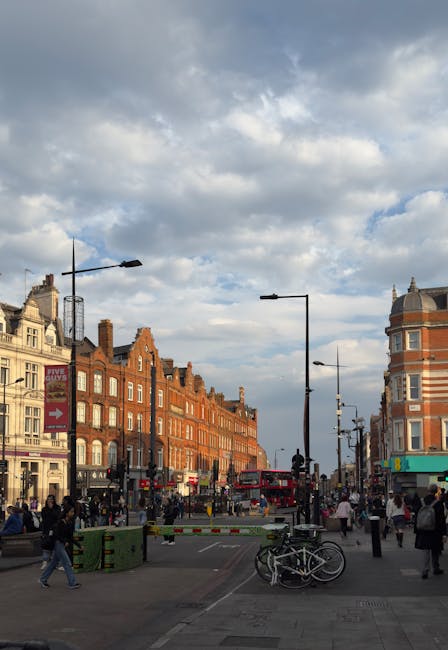
Kentish Town is one of those London areas where moving a van is rarely just a van problem. Streets can be tight, bays can be busy, and restrictions can change from one road to the next. That means the parking plan is not a small detail; it is part of the move itself.
When a removal vehicle cannot stop close to the property, everything gets harder. Porters walk further. The job takes longer. Costs can creep up. And if a driver has to move repeatedly because of local restrictions, you may feel that all the energy is being spent on parking rather than on getting your furniture out safely.
Camden Council rules matter because they shape what is allowed on the street. Depending on the location, you may be dealing with resident bays, shared use bays, single yellow or double yellow restrictions, time-limited loading, CPZ rules, suspensions, or local permission requirements. Not every move needs a formal permit, but every move needs a plan. That is the bit people sometimes miss.
A practical example: you may have a perfectly good removal team, the right packing done, and a clear schedule, but if the van cannot legally wait near your building at 8am on a weekday, the whole move starts with delay. And once delay starts, everything else tends to wobble a bit. Truth be told, that first 20 minutes can set the tone for the whole day.
For people buying or selling in the area, this is especially relevant. If your completion day is tight, a parking issue can derail a move that was otherwise well planned. If you are in the middle of that process, it can help to read buying homes in Kentish Town: a smart guide or Kentish Town home selling for the wider moving picture.
How Kentish Town removals parking permits and Camden Council rules Works
The exact rules depend on the street, the bay type, and the time of day, so the safest approach is to treat each move as a local parking check rather than a one-size-fits-all assumption. In practice, removals in Kentish Town often fall into one of a few common scenarios.
1) Loading or unloading only
Some streets allow short loading activity, but not free parking. That can be fine if the van arrives, loads quickly, and leaves. The catch is that loading has to be genuine and continuous. If the team is standing around, fetching keys, or waiting for someone to answer a buzzer, the whole thing can become less straightforward.
2) Suspended or restricted bays
Sometimes a bay is suspended for works or reserved for another use. This is where people get caught out. A bay that looks available from a distance may not be available for a removal van. If the street is especially busy, and many are in Kentish Town, the last thing you want is a van turning up and discovering the space has already been taken or cannot be used.
3) Permit-controlled parking
Permit areas are common in London. In these streets, the council may allow certain parking only for permit holders, or only in specific time windows. Removal vehicles may need temporary permission, or they may need to operate within a loading exemption. It depends on the setup. This is where reading the local rules properly saves trouble later.
4) Single yellows and double yellows
These are often misunderstood. A lot of people think a yellow line simply means no stopping. Not always. There can be loading allowances, but they are usually time-sensitive and situation-specific. So yes, there may be some flexibility, but it is not the sort of thing you want to guess at on moving day.
5) Larger vehicle access and road layout
Even if the parking is technically manageable, the street itself may still be awkward. Bent roads, narrow junctions, and parked cars on both sides can make a bigger vehicle awkward to position. If you know the address has tight access, see also loft and stair access tips for Kentish Town removals and NW5 flat move tips with removal van service in Kentish Town for the access side of planning.
In most real moves, the safest workflow is simple: check the road, check the time, check the bay type, and confirm whether any special permission or suspension is needed. That sounds basic. It is basic. But it works.
Key Benefits and Practical Advantages
Getting the parking and council rules right does more than avoid a ticket. It changes the whole feel of the move. Here is what good planning gives you.
- Smoother arrival: the van can stop near the property, rather than doing laps while everyone waits.
- Less lifting distance: shorter carries mean less physical strain and lower risk of bumps, scrapes, or dropped boxes.
- Faster turnaround: a properly positioned van helps the team load and unload more efficiently.
- Lower stress: nobody wants to negotiate with traffic, neighbours, and a loading clock at the same time.
- Cleaner budgeting: a well-planned stop often reduces avoidable waiting time and extra handling.
There is also a subtle benefit people overlook: confidence. When you know the vehicle has somewhere lawful and practical to stop, the whole move becomes easier to manage. You can focus on keys, inventory, children, pets, and the million tiny bits that always seem to appear on the day itself.
If you are comparing move types, the same parking logic affects house removals, flat removals, office removals, and even specialist jobs like piano removals. Bigger, heavier items raise the stakes a bit. For those kinds of jobs, it may be worth looking at removals in Kentish Town, flat removals Kentish Town, or piano removals Kentish Town as part of a broader move plan.
Who This Is For and When It Makes Sense
This topic matters for almost anyone moving in the area, but some people need to think about it earlier than others.
Home movers in flats or terraces
If you live in a flat above street level, parking becomes more important because every extra metre between the van and the front door costs time and effort. Kentish Town has plenty of properties where access is fine once you are inside, but the street outside is the challenge.
People moving at short notice
With a same-day or last-minute move, there is less room for error. Parking mistakes become more expensive because there is no spare day to fix them. If that sounds familiar, same-day removals Kentish Town and same-day removals in Kentish Town: avoiding delays and extra fees are worth a look.
Students and smaller households
Student moves are often smaller, but the parking headache is still real. You may be moving into a shared block or out of a narrow street, with no obvious loading space nearby. In those cases, choosing the right vehicle and timing matters just as much as the box count. A helpful starting point is student removals Kentish Town or man with a van Kentish Town.
Offices and small businesses
For commercial moves, parking rules can affect building access, reception timing, and whether staff can continue working during the transition. If the street is busy, planning a loading window can save everyone a lot of running around. That goes double for furniture-heavy office relocations.
People with awkward access or bulky items
Bulky wardrobes, sofas, desks, and pianos are less forgiving than boxes. If the van is parked poorly, the whole process becomes slower and riskier. That is exactly why some customers prefer a vehicle-focused solution such as removal van Kentish Town or man and van Kentish Town depending on the size of the move.
Step-by-Step Guidance
Here is the practical workflow we would suggest if you want the move to run cleanly and avoid last-minute parking drama.
- Check the street early. Stand outside the property at the same time of day you plan to move, if possible. Notice the bay types, traffic flow, and whether vans can safely pull in.
- Confirm the property access details. Find out if there are stairs, a lift, a basement entrance, or a rear access point. Small access details can change the parking strategy.
- Identify any local restrictions. Look for signs on the street, bay markings, and any resident-only or loading-only instructions. Do not assume a space is usable just because it looks empty.
- Decide whether a permit or suspension is needed. In some cases, the move can be done within normal loading rules. In others, temporary permission or a booked suspension is the safer route. Camden-specific requirements can vary, so this needs checking.
- Book the vehicle at the right time. Early morning can be easier on some streets, but not always. School runs, refuse collections, and commuter traffic can all change the picture.
- Tell your removals team the exact address and access notes. Include one-way streets, door codes, narrow entrances, and any concern about parking space availability.
- Prepare for a backup plan. If the nearest bay is unavailable, where can the van stop legally a little further away? Having a fallback route helps more than people expect.
- Keep communication live on the day. A quick phone call or text can solve a lot. If the driver arrives and the road is blocked, you want to know that immediately, not twenty minutes later.
One practical note: if you are still arranging packing, boxes, or storage, those tasks can affect how quickly the van can load. A careful packing plan, from packing and boxes Kentish Town to storage Kentish Town, helps keep the vehicle occupation time down. Less waiting, less juggling.
Expert Tips for Better Results
In our experience, the best moves in Kentish Town are usually the ones where the parking plan is boring. Boring is good. Boring means someone checked the street properly before moving day.
Tip 1: Build the parking plan around the property, not the van
People often start with the size of the vehicle. Better to start with the front door, the stairs, and the street outside. The route from van to room matters more than the badge on the side of the vehicle.
Tip 2: Treat "close enough" with caution
A van parked a minute further away may not seem like a big deal. But if you are carrying drawers, boxed books, and a couple of awkward lamps, that minute becomes a lot. And then the rain starts. Because of course it does.
Tip 3: Be careful with shared loading areas
Some parts of Kentish Town have shared bays or loading arrangements that look convenient but are used by residents, delivery drivers, and contractors all day. If you rely on one of these spaces, make sure your time window is realistic.
Tip 4: Keep a clean access path
Even when parking is sorted, clutter at the entrance slows everything down. Shoes, bikes, old plant pots, and half-packed bags tend to gather near the door. Clear them away before the van arrives.
Tip 5: Ask about insurance and handling
For higher-value items, you want a team that understands safe loading, safe carrying, and sensible positioning. That is especially relevant if you are moving antiques, glass furniture, or a piano. Good handling and good parking go together, oddly enough.
If you want broader reassurance on service quality and process, it can help to read about about us, insurance and safety, and health and safety policy. These pages are useful when you are choosing who to trust with the job.
Common Mistakes to Avoid
Most parking problems in Kentish Town come from a handful of avoidable mistakes. Nothing exotic. Just the usual things that catch people out.
- Assuming loading is always allowed: many streets have conditions, time limits, or specific loading guidance.
- Not checking the exact side of the road: opposite sides of the same street can have very different rules.
- Leaving permission arrangements too late: if council approval or bay suspension is needed, last-minute requests are risky.
- Underestimating access time: stairs, lifts, and small hallways can stretch the schedule.
- Forgetting about delivery traffic: even a legal spot can be temporarily blocked.
- Ignoring building rules: some blocks have their own move booking windows, service lift requirements, or access conditions.
- Not telling the removals team about narrow roads: a driver can plan better if they know in advance.
A related trap is cost creep. If parking is difficult and the move is delayed, small extra charges can appear. That is why it is smart to read avoid hidden removal charges in Kentish Town moves before confirming anything.
Let's face it, nobody wants to discover a restriction while standing in the hallway with a mattress.
Tools, Resources and Recommendations
You do not need a complicated toolkit to get this right. You need the right information, a little patience, and a clear plan.
Useful things to have ready
- Property postcode and full address
- Move date and preferred time window
- Photos of the street outside the property
- Details of any resident permit zones or loading signs
- Building access notes, including door codes or concierge rules
- A simple inventory of large or fragile items
Helpful service pages for planning
Depending on the size and complexity of your move, the following can be useful starting points: services overview, house removals Kentish Town, office removals Kentish Town, and furniture removals Kentish Town. If you are moving at a lower volume or on a tighter timetable, a smaller vehicle option may be enough.
Practical recommendation: take two photos of the road outside the property at the time of day you expect to move. It sounds almost too simple, but that single habit often reveals things people miss from memory alone: school parking, bin day patterns, narrow chicanes, or a bay that is always full at lunchtime.
Law, Compliance, Standards, or Best Practice
This part needs careful wording. Parking and loading rules in London are not something you want to infer from guesswork, because street controls can be strict and local variations matter. The safe approach is to treat Camden Council guidance, road signs, and any property-specific restrictions as the authority for the location.
In practical terms, that means:
- check the street signs before the move;
- confirm whether the vehicle is stopping for loading/unloading only or parking for a longer period;
- avoid assuming a bay is available just because it is empty;
- allow extra time if there are unclear restrictions or narrow access;
- make sure anyone involved understands the difference between a short loading stop and casual parking.
For removals businesses, best practice usually means planning conservatively. If there is doubt, it is better to plan a little more time and a little more access margin than to gamble on a tight street. That is not being fussy; it is simply how London moves work.
Customer responsibility and contractor responsibility also overlap here. You may need to provide accurate access details, while the removals team needs to use safe parking and loading practices. When both sides prepare properly, things go much better.
Options, Methods, or Comparison Table
Different moves in Kentish Town call for different parking strategies. Here is a simple comparison to make that easier to see.
| Approach | Best for | Advantages | Watch-outs |
|---|---|---|---|
| Street loading only | Small or medium moves with clear access | Quick, flexible, often enough for straightforward jobs | Can be tight on busy roads; time-limited |
| Permit or restricted bay planning | Flats and homes in controlled parking zones | More predictable if arranged correctly | Requires careful checking and timing |
| Pre-booked bay suspension or special permission | Busy streets and larger removals | Creates a dedicated space and reduces uncertainty | Needs advance planning and may involve council process |
| Off-street or private loading point | Properties with driveways, forecourts, or service access | Often the smoothest option | Not available for many Kentish Town properties |
For many people, the question is not which option is best in theory. It is which one fits the street outside their home. A flat move near a busy junction may need a different approach from a short, local move near a quieter side road. That is why local experience matters. If your move is very short-distance, you may also find Kentish Town West Station removals and short-distance moves helpful.
Case Study or Real-World Example
Here is a realistic example drawn from the kind of situation people face all the time.
A couple moved from a second-floor flat in Kentish Town to a nearby house only a few streets away. At first glance, it looked easy: short distance, small number of rooms, no big furniture except a sofa and a wardrobe. The issue was parking. Their street had narrow bays, regular delivery traffic, and a pattern of cars staying longer than expected in the morning.
Instead of leaving the van arrangement until the day, they checked the street at the same time they planned to move, photographed the signs, and told the removals team about the narrow turning space at the end of the road. The team then chose a start time that reduced traffic pressure and arrived with a clearer loading plan. Result? The van stopped legally, the walk was manageable, and the move finished without the usual "where can we put this for a minute?" scramble.
Nothing dramatic happened, which is exactly the point. The move felt calm because the parking question had been solved before the kettle had even been plugged in. Small win, but a real one.
Practical Checklist
Use this as your final pre-move check. It is simple, but it covers the essentials.
- Confirm the full address and postcode.
- Check the road signs outside the property.
- Identify bay type, yellow lines, and loading restrictions.
- Ask whether the building has move-in or move-out rules.
- Take photos of the entrance and street.
- Tell the removals team about stairs, lifts, or narrow hallways.
- Plan where the van can legally stop if the first space is unavailable.
- Make sure fragile or bulky items are ready first.
- Keep keys, phone, and access codes easy to reach.
- Allow extra time, just in case the street is busier than expected.
Expert summary: if you remember only one thing, make it this: parking in Kentish Town is not an afterthought. It is part of the moving strategy, right alongside packing, route planning, and access checks.
Conclusion
Kentish Town removals parking permits and Camden Council rules can look fiddly at first, but the process becomes much more manageable when you break it into small checks. Look at the street. Read the signs. Confirm the access. Leave a margin for the unexpected. That is usually enough to prevent the awkward, costly scramble that some people experience on moving day.
The real goal is simple: make the van's stop as legal, efficient, and close to the door as possible. Do that, and the rest of the move tends to feel lighter. Less walking. Less stress. Less noise in your head. And in a busy London area, that counts for a lot.
If you are preparing a move and want support that fits the realities of Kentish Town streets, take a look at pricing and quotes and contact for the next step. A clear plan now can save a lot of running around later.
Get a free quote today and see how much you can save.
Sometimes the best move is the one that starts quietly, with the parking already sorted.